 The birth of a child is a transformative experience that can bring about a wide range of emotions for new parents. Many women find the process of childbirth to be empowering, but it can also be overwhelming, exhausting, and even traumatic in some cases. One way to process these emotions and come to terms with your birth experience is to write your birth story. In this blog post, we'll explore the therapeutic benefits of writing your birth story.
-- www.sagemamadoula.com Wisdom & Wellness for Birth & Beyond Find me on Facebook! www.facebook.com/sagemamadoula ReplyForward
0 Comments
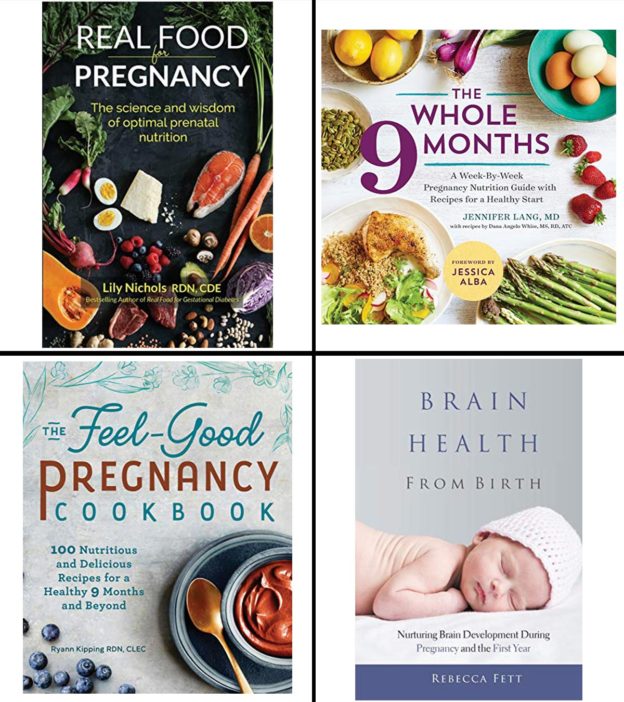
The postpartum period is a time of immense change and transition for new mothers. A mother's body undergoes significant physical and hormonal changes during this time, and it's important to give it the nourishment it needs to heal and recover. A healthy, balanced diet can help new mothers to recover more quickly, maintain energy levels, and produce enough milk for their newborns. In this blog post, we will discuss some of the most nourishing meal ideas for postpartum healing.
-- www.sagemamadoula.com Wisdom & Wellness for Birth & Beyond Find me on Facebook! www.facebook.com/sagemamadoula ReplyForward Childbirth is a beautiful, transformative experience that can be both physically and emotionally challenging. One of the most effective ways to cope with the intensity of labor is through joyful dance and movement, as well as frequently changing positions. These techniques can bring many benefits to both the birthing person and their baby. In this blog post, we will explore the benefits of these practices and how they can make a positive impact on childbirth.
Joyful dance and movement during childbirth can help to reduce pain and stress. Dancing and moving helps to release endorphins, which are natural pain relievers that can help to reduce the intensity of contractions. Additionally, it can help to reduce stress and anxiety levels, promoting a more positive mindset and an overall sense of well-being. By staying active and engaged in the birthing process, women can feel more in control and empowered during this significant life event. Another benefit of joyful dance and movement during childbirth is improved circulation. When the birthing person moves their body, it helps to increase blood flow to the uterus and the baby. This can aid in delivering more oxygen and nutrients to the baby, promoting their health and well-being. Frequently changing positions during childbirth is also beneficial. It can help to encourage the baby to move down the birth canal, making the delivery process easier and more efficient. Changing positions can also help to relieve pressure on the birthing person's back and pelvic area, reducing discomfort and pain. In addition to the physical benefits, changing positions during childbirth can also have a positive impact on the emotional well-being of the birthing person. It can help them to feel more in control of their body and the birthing process, which can lead to increased confidence and self-esteem. It can also promote a sense of connection and intimacy between the birthing person and their partner or support team. It's important to note that the benefits of joyful dance and movement, as well as frequently changing positions, can be achieved regardless of whether the birthing person chooses to have a natural birth or use pain medication. These practices can be incorporated into any childbirth plan and can be used in conjunction with other pain management techniques. In conclusion, joyful dance and movement, as well as frequently changing positions, can bring many benefits to the birthing person and their baby during childbirth. From reducing pain and stress to improving circulation and promoting emotional well-being, these practices can have a positive impact on the birthing experience. If you are planning a childbirth, consider incorporating these techniques into your preparation to make the experience as comfortable and empowering as possible. -- www.sagemamadoula.com Wisdom & Wellness for Birth & Beyond Find me on Facebook! www.facebook.com/sagemamadoula ReplyForward Pregnancy and childbirth can be both exciting and daunting experiences. While many expectant parents may feel the urge to rush to the hospital as soon as labor begins, it can actually be beneficial to stay home in early labor with the support of a doula before heading to the hospital in active labor. In this blog post, we will explore the benefits of staying home in early labor with a doula.
Reduced Anxiety and Stress Staying at home in the early stages of labor with the support of a doula can help reduce anxiety and stress. The familiar environment of home can help the mother feel more relaxed and comfortable, which in turn can help labor progress more smoothly. Additionally, the presence of a doula can provide emotional and physical support, which can help the mother feel more confident and in control. Promotes Natural Labor Progression When a mother arrives at the hospital too early in labor, she may be subjected to interventions such as Pitocin or continuous fetal monitoring, which can interfere with the natural progression of labor. Staying home with a doula in early labor can help promote natural labor progression without unnecessary interventions. The mother can move around, try different positions, and listen to her body's cues to help labor progress naturally. Encourages Rest and Relaxation In early labor, rest and relaxation are key to conserving energy for the more active stages of labor. Staying home with a doula can encourage rest and relaxation in a comfortable and familiar environment. The mother can take a warm bath or shower, practice relaxation techniques, and get some rest in between contractions. Reduces Risk of Premature Admission Premature admission to the hospital is a common occurrence for first-time mothers. This can lead to increased stress and anxiety, as well as interventions that may not be necessary. By staying home with a doula in early labor, the mother can avoid premature admission to the hospital and reduce the risk of unnecessary interventions. Overall, staying home in early labor with a doula can be a beneficial option for expectant parents. It can help reduce anxiety and stress, promote natural labor progression, encourage rest and relaxation, and reduce the risk of premature admission. By working with a doula, expectant parents can feel more confident and in control during the early stages of labor, leading to a more positive childbirth experience. -- www.sagemamadoula.com Wisdom & Wellness for Birth & Beyond Find me on Facebook! www.facebook.com/sagemamadoula ReplyForward  The early stages of labor can be both exciting and challenging. Coping with the physical and emotional changes that come with early labor is an important part of the birthing process. In this blog post, we will explore some coping strategies for early labor.
Stay Hydrated and Nourished Staying hydrated and nourished is essential during early labor. Drinking water, electrolyte drinks, or herbal teas can help keep the mother hydrated and prevent fatigue. Eating small, frequent meals or snacks can help keep the mother's energy levels up and provide the nutrients she needs for labor. Practice Relaxation Techniques Relaxation techniques such as deep breathing, visualization, and meditation can help the mother cope with the discomfort of early labor. These techniques can help reduce anxiety and promote a sense of calm, allowing the mother to conserve energy for the active stages of labor. Stay Active and Mobile Staying active and mobile can help promote natural labor progression and reduce discomfort during early labor. The mother can walk, rock back and forth, or use a birthing ball to help keep her body moving and ease the intensity of contractions. Take Warm Baths or Showers Taking a warm bath or shower can help relax the mother's muscles and reduce the intensity of contractions. The warm water can also help promote relaxation and reduce anxiety. Stay Positive and Connected Staying positive and connected with loved ones and support people can help the mother cope with the challenges of early labor. Positive affirmations, encouraging words, and physical touch can all help the mother feel supported and empowered during this time. In conclusion, coping with the early stages of labor is an important part of the birthing process. By staying hydrated and nourished, practicing relaxation techniques, staying active and mobile, taking warm baths or showers, and staying positive and connected, the mother can cope with the challenges of early labor and prepare for the more active stages of labor. With the support of loved ones and healthcare providers, the mother can have a positive and empowering childbirth experience. -- www.sagemamadoula.com Wisdom & Wellness for Birth & Beyond Find me on Facebook! www.facebook.com/sagemamadoula ReplyForward  Homeopathy is a form of natural medicine that has been used for hundreds of years to support the body's natural healing process. During childbirth, homeopathic remedies can be used to support the mother's body and promote a safe and smooth delivery. In this blog post, we will explore some of the most helpful homeopathic remedies for childbirth.
Arnica Montana Arnica Montana is a well-known homeopathic remedy that is commonly used for bruises, sprains, and other types of physical trauma. During childbirth, Arnica can be used to help the mother recover from any physical trauma or injuries that may have occurred during the delivery. Arnica can also help to reduce swelling and inflammation and promote healing. Caulophyllum Caulophyllum is a homeopathic remedy that is often used to support the female reproductive system. During childbirth, Caulophyllum can be used to help regulate contractions and promote a safe and smooth delivery. It is particularly helpful for women who have a history of difficult or prolonged labor. Gelsemium Gelsemium is a homeopathic remedy that is often used to help reduce anxiety and promote relaxation. During childbirth, Gelsemium can be used to help calm the mother's nerves and promote a sense of relaxation and calm. It can also be used to help regulate contractions and promote a safe and smooth delivery. Pulsatilla Pulsatilla is a homeopathic remedy that is often used to support the female reproductive system. During childbirth, Pulsatilla can be used to help regulate contractions and promote a safe and smooth delivery. It is particularly helpful for women who have a tendency to feel emotional and sensitive during labor. Sepia Sepia is a homeopathic remedy that is often used to support the female reproductive system. During childbirth, Sepia can be used to help regulate contractions and promote a safe and smooth delivery. It is particularly helpful for women who have a history of difficult or prolonged labor. It is important to note that homeopathy is not a substitute for medical care, and pregnant women should always consult with their healthcare provider before using any new remedies. Homeopathic remedies should also be used under the guidance of a qualified practitioner. In conclusion, homeopathy can be a valuable tool for supporting the mother's body during childbirth. By promoting relaxation, regulating contractions, and supporting the female reproductive system, homeopathic remedies can help to promote a safe and smooth delivery. With the guidance of a qualified practitioner and the support of a healthcare provider, homeopathy can be a safe and effective way to support the mother's body during childbirth. -- www.sagemamadoula.com Wisdom & Wellness for Birth & Beyond Find me on Facebook! www.facebook.com/sagemamadoula ReplyForward  Get ready for me to get Super-Woo on you here. I adore flowers and their healing energy, and I love to incorporate flower essences into my care for my clients. Flower essences are a gentle and natural remedy that can be used during pregnancy to help support emotional and spiritual well-being. Flower essences work by capturing the energetic signature of a plant or flower and transferring that energy into water, which is then consumed orally. In this blog post, we will explore the benefits of using flower essences during pregnancy, how they work, and some of the most commonly used flower essences for pregnancy. Benefits of Flower Essences for Pregnancy Pregnancy can be a time of great emotional and physical changes, and flower essences can help support women through this journey. Flower essences can help with:
Flower essences work on an energetic level, rather than a physical level. Each flower essence captures the energetic signature of a specific plant or flower, and this energy is transferred to water. When consumed orally, this energy is then transferred to the person taking the flower essence, helping to shift and balance their own energy. Common Flower Essences for Pregnancy
In conclusion, flower essences can be a gentle and natural way to support emotional and spiritual well-being during pregnancy. By working on an energetic level, flower essences can help to calm anxiety, balance emotions, and deepen spiritual connection. With the guidance of a qualified practitioner and the support of a healthcare provider, flower essences can be a valuable tool for pregnant women on their journey to motherhood. -- www.sagemamadoula.com Wisdom & Wellness for Birth & Beyond Find me on Facebook! www.facebook.com/sagemamadoula  Swaddling is the practice of wrapping a newborn baby snugly in a blanket or cloth, with the arms and legs tucked in. This technique has been used for centuries and has numerous benefits for both the baby and the parents. In this blog post, we'll explore the benefits of swaddling newborns, the proper technique for swaddling, and when to stop swaddling.
Benefits of Swaddling Newborns
Swaddling can be safely used for the first few months of a baby's life, but it is important to know when to stop. As the baby grows and becomes more mobile, swaddling can become dangerous if they are able to break free and get tangled in the blanket. It is generally recommended to stop swaddling when the baby begins to show signs of rolling over, usually around 2-3 months old. In conclusion, swaddling is a safe and effective way to help calm and soothe newborns, promote better sleep, reduce the risk of SIDS, and facilitate breastfeeding. By following the proper technique for swaddling and knowing when to stop, parents can use this technique to create a secure and comforting environment for their newborn baby. -- www.sagemamadoula.com Wisdom & Wellness for Birth & Beyond Find me on Facebook! www.facebook.com/sagemamadoula Midwives have been helping women through pregnancy and childbirth for centuries. Traditionally, midwives were experienced women in the community who provided support and care for expectant mothers. However, with the advent of modern medicine, the role of midwives has evolved, and there are now two distinct types of midwives - certified professional midwives and certified nurse-midwives.
On the other hand, a "birthkeeper" is a relatively new term that has emerged in recent years to describe individuals who provide support and care for expectant mothers during pregnancy and childbirth. While some birthkeepers may have received some form of training, there is no formal certification or accreditation process for birthkeepers. The main difference between a certified professional midwife (CPM) and a birthkeeper is the level of training and education they receive. CPMs undergo a rigorous certification process that includes extensive academic study, clinical experience, and passing a national certification exam. CPMs specialize in out-of-hospital birth, such as home births, and have the skills and knowledge to manage a wide range of complications that may arise during labor and delivery. Certified nurse-midwives (CNMs) are licensed healthcare professionals who have completed both nursing and midwifery education. CNMs are trained to provide a wide range of reproductive health services, including prenatal care, labor and delivery support, postpartum care, and gynecological care. They can work in a variety of settings, including hospitals, birth centers, and homes. In contrast, birthkeepers are not required to have any formal training or certification. Some may have completed a short course or workshop, while others may have learned through personal experience. Birthkeepers typically offer emotional support and guidance to women during pregnancy and childbirth. They may provide advice on nutrition and exercise, offer relaxation techniques during labor, and assist with breastfeeding and postpartum care. Another key difference between CPMs and birthkeepers is the level of medical care they can provide. CPMs and CNMs have the training and experience to manage many medical complications that may arise during labor and delivery. They are trained to recognize the signs of potential complications and can administer medications, perform emergency procedures, and make referrals to other medical professionals if needed. In contrast, birthkeepers are not qualified to provide medical care. They may provide emotional support and guidance, but they do not have the training or authority to administer medication, perform medical procedures, or make clinical decisions. In conclusion, while both certified professional midwives and birthkeepers provide support and care for expectant mothers, there are significant differences in their training and scope of practice. CPMs and CNMs are licensed healthcare professionals who undergo rigorous training and certification to provide comprehensive care to women during pregnancy and childbirth. In contrast, birthkeepers may have varying levels of training and experience and are not qualified to provide medical care. It is important for expectant mothers to carefully consider their options when choosing a care provider and to seek out professionals who have the necessary qualifications and experience to provide safe and effective care. -- www.sagemamadoula.com Wisdom & Wellness for Birth & Beyond Find me on Facebook! www.facebook.com/sagemamadoula ReplyForward  Pregnancy can be an emotional roller coaster, and it's common for women to experience a wide range of hormonaly-fueled feelings during this time. As a holistic midwife and trained herbalist, I often recommend herbs to support women during this journey. Here is a helpful list of herbs that can be incorporated into your life with teas and tinctures that can support pregnancy's emotional journey.
-- www.sagemamadoula.com Wisdom & Wellness for Birth & Beyond Find me on Facebook! www.facebook.com/sagemamadoula ReplyForward |
Sarah Eiley CowherdSarah is a mama to 4 wild things and a doula in Charlotte, NC with over 10 years of experience in supporting families of all kinds. With gentle hands and a humble heart, she guides women to experience birth without fear and move forward into motherhood in confidence. Categories  |
 RSS Feed